TipsCuriosities
Under the spotlights of a stadium or in front of the cameras at a press conference, image matters even when no one openly mentions it. For many sports celebrities, maintaining a well-groomed appearance is not just about vanity or fashion: it means continuity with their public persona, consistency with sponsors, confidence in appearances, and often, peace of mind in daily life. When hair begins to thin, the change is immediately noticeable, especially on faces known by millions of people. This is also why the hair prosthesis have long entered the silent lexicon of male and female aesthetics related to sports.
Athletes, former champions, sports commentators, and personalities revolving around clubs and competitions have very concrete needs: a natural result, reliable hold, management compatible with intense rhythms, and a look that doesn’t seem “constructed.” Behind a fresh and tidy image, there is often not a stroke of genetic luck, but a choice made with criteria.
Sports celebrities and hair prostheses: why this choice is so widespread
Those who work in sports live a double exposure. On one side there is performance, on the other the public representation of oneself. A former footballer in a TV studio, a coach filmed on the sidelines, a tennis player invited to events, or a sports pundit all have one thing in common: the face is part of their personal brand.
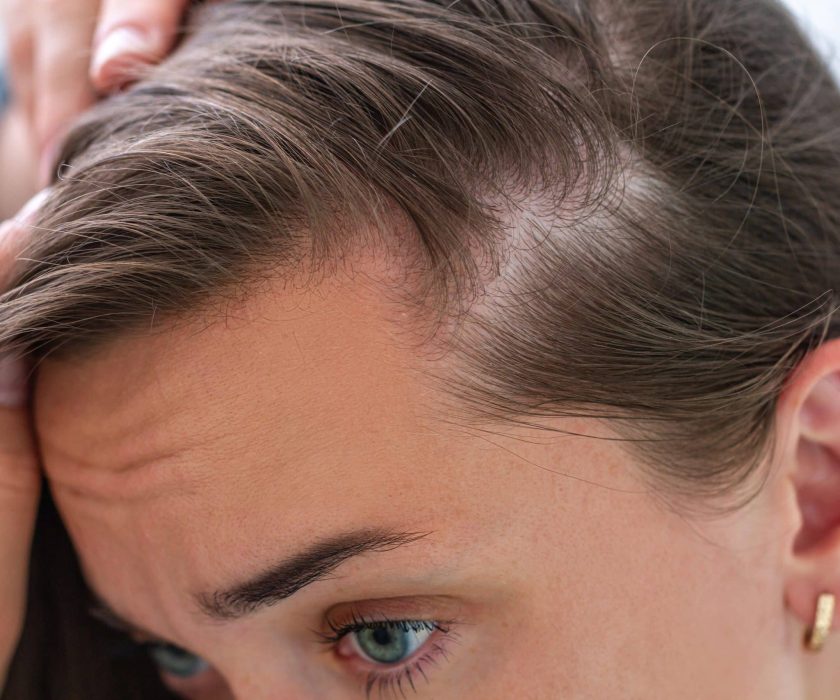
Hair loss, in this context, is not perceived only as an aesthetic change. It can alter the balance of the face, accentuate signs of aging, and make it more difficult to maintain a recognizable image. The men’s hair prostheses and, in some cases, also the female solutions, are chosen because they allow recovering density and the frontal line without distorting the features.
An often underestimated aspect concerns visual continuity. A public figure cannot afford too abrupt changes: one day very receding, the next with a thick and compact mane. For this reason, those who choose well tend to prefer a progressive, believable result, in harmony with age, complexion, and personal style.
To navigate materials, maintenance, and aesthetic outcome, it can be useful to read content dedicated to hair prosthesis and compare the different possibilities with a practical eye, not just an aesthetic one.
How they maintain a youthful look without seeming artificial
The point is not “having more hair” in an absolute sense. The point is looking good without standing out. Sports celebrities who achieve a convincing result almost always follow the same logic: no excesses, no overly perfect frontal lines, no unnatural density compared to the face.
The frontal line is the first detail that betrays a poorly managed intervention
When observing a known face in high definition, the most delicate area is the hairline. If it is too sharp, too low, or too uniform, the artificial effect emerges immediately. Those who want a young but believable look tend to choose an irregular and realistic hairline, similar to what is naturally observed even on healthy hair.
A simple criterion: the more mature the face, the less sense it makes to chase the hairline of the twenties. In the most convincing sports personalities, a balanced, non-aggressive reconstruction is often noticeable.
Density and volume must follow the face, not nostalgia
Another common mistake is aiming for excessive mass. On television, under strong lights and close-up shots, a density disproportionate to eyebrows, beard, and features creates a disconnect. The looks that work best are those where the hair accompanies the face, without dominating it.
For a former athlete or a sports commentator, for example, moderate and well-blended coverage often appears more credible than an overly full mane. The practical rule is simple: better to look neat than “done”.
Cut and styling matter as much as the prosthesis
A well-chosen prosthesis can lose naturalness if the cut is wrong. Sports celebrities who convincingly maintain a youthful look often opt for easy-to-manage hairstyles, with movement, texture, and a shape consistent with their public style. A cut that is too rigid, too styled, or too full on the surface tends to suggest cosmetic intervention.
Those who exercise or have a busy schedule benefit from quick styling, with discreet hold and a natural look even after many hours. For this reason, it can be useful to explore the topic of hair prosthesis maintenance, especially if you are looking for a sustainable routine over time.
Hair prostheses for athletes: what changes between public life and physical activity
Not all sports celebrities have the same needs. Some today mainly live in TV studios, events, and interviews, while others continue to train, take the field for performances, or maintain an intense physical routine. The difference is important because it affects the choice of base, frequency of management, and type of attachment.
Those who sweat a lot, train often, or alternate between hot and humid environments should consider a solution compatible with these conditions. It is not enough for the result to look good just after application: stability in real lifeis needed. In these cases, the decision-making criterion is not only aesthetic but practical:
- how much time one is willing to dedicate to regular care;
- how often intense physical activities are performed;
- how exposed the front hairline is in one’s usual styling;
- how important easy removal is compared to longer-lasting hold.
For those living between the gym, trips, and public appearances, the most sensible choice is often the one that balances comfort, naturalness, and management, without chasing extreme solutions. If a specific technical detail is unclear, it is always advisable to check the product sheet.
The natural effect on TV, social media, and in person
It used to be enough to “hold up” at a distance. Not anymore. The faces of sports figures are observed up close, photographed by smartphones, commented on social media, and reviewed in high-definition clips. This has also changed the way hair prostheses are evaluated.
A convincing result must work in three different contexts:
- in person, where movement, proportions, and hairline matter;
- on video, where lights and cameras emphasize contrasts and overly sharp lines;
- in close-up photos, where texture and integration become evident.
Sports celebrities who maintain a youthful look discreetly usually do not seek a perfect image in an abstract sense. They look for a consistent image. This means choosing a finish that looks good under the spotlight but remains plausible during an informal meeting, a trip, or a day without professional styling.
A good criterion is to observe your own face in different conditions: natural light, artificial light, dry hair, slightly wavy hair, front and side views. It is a simple step but often decisive to avoid an overly constructed effect.
The role of maintenance: the youthful look is maintained in the details
When talking about well-known personalities, it is often imagined that the result depends entirely on the initial application. In reality, the difference is seen in the constant maintenance. A hair prosthesis can appear very natural at first and lose credibility if not regularly maintained.
The details that matter most are the least conspicuous:
- careful cleaning without aggressive gestures;
- checking the front hairline and contact areas;
- cut kept proportional to the growth of natural hair;
- light styling, without residue buildup;
- attention to sweat, sun, frequent showers, and rubbing.
Those who always look neat rarely improvise. There is a routine, even minimal, but consistent. For this reason, many professionals recommend building a realistic management: better a simple but regular care than a complex program destined to be abandoned after a few weeks.
Those who want to learn more about products and accessories related to daily management can also consult the section dedicated to hair prosthesis accessories, useful to understand which tools make the routine tidier.
Common mistakes to avoid if you want a credible result
Looking at some look changes in the sports scene, it is immediately clear where mistakes are most often made. No need to name names: certain mistakes are recognizable at a glance and are the same ones anyone should avoid.
Wanting to erase every sign of time
A mature face with hair that is too young creates dissonance. The prosthesis must rejuvenate the whole, not deny age. The most elegant result is one that lightens, not one that erases every trace of maturity.
Choosing a color that is too uniform
Natural hair rarely has a flat tint. In sports celebrities, especially if often filmed up close, a color that is too solid or too dark can weigh down the face. Better a shade consistent with eyebrows, beard, and complexion, also considering exposure to light.
Neglecting the sides and integration
Naturalness does not depend only on the top part. If the side hair is very thin, sparse, or of a different texture, the prosthesis must blend seamlessly. This is one of the points where the difference between a well-thought-out choice and one made just to chase volume is immediately noticeable.
Thinking that one configuration fits every lifestyle
An active athlete, a coach, a former TV champion, and a fitness influencer do not have the same needs. Before choosing, it is advisable to define the real usage context: how much public exposure there is, how much movement, how much maintenance one is willing to follow. This is what guides a sensible choice more than any current trend.
How to choose a hair prosthesis if you are looking for a sporty and groomed image
Those who identify with the style of sports celebrities but want a personal result should start with three concrete questions.
- What image do I want to give? More elegant, more dynamic, more understated, more television-friendly.
- How much time can I dedicate to management? A sustainable routine is more important than a theoretically perfect solution.
- How exposed should the hairline be? Hair worn back, open fringe, or covering styling require different evaluations.
From here, a clearer choice is built. Those who want a sporty and youthful look usually achieve the best results when avoiding too obvious extremes and focusing on visual lightness, proportion, and practicality. The haircut must also follow this logic: easy to fix, believable in motion, suitable for one's face.
To get a broader idea of the available options, it can be useful to also consult content dedicated to men's hair prosthesis and compare the features best suited to your lifestyle.
Useful links to better orient yourself
When observing the looks of sports personalities, the temptation is to focus only on the final effect. In reality, the best choice almost always comes from a more reasoned path: understanding the type of hair desired, evaluating daily management, considering your real context. To deepen your knowledge, it can be useful to also read content on how to choose a natural hair prosthesis and focus on the criteria that really matter in your case.
If you are considering a hair prosthesis with a clean, credible aesthetic suitable for a dynamic style, you can orient yourself towards the category or brand closest to your habits. A calm comparison, starting from your current look and the management you want to maintain, helps you choose more clearly.
[w4y_bf_related_posts post_id=”48548″]FAQ
Why do many sports celebrities choose hair prostheses?
For those often in public, image carries concrete weight. Hair prostheses help recover density and facial harmony without too abrupt changes, maintaining a neat appearance consistent with their media role.
Can a hair prosthesis look natural even on TV and social media?
Yes, but it depends on some details: realistic front line, proportionate density, well-integrated color, and a cut consistent with the face. Close-up shots and strong lights make mistakes more evident, so naturalness must be evaluated under different conditions.
Are hair prostheses suitable for those who play sports or sweat a lot?
They can be, as long as the choice takes into account the real lifestyle. Those who train often should consider comfort, hold, and ease of daily management, without focusing only on the initial aesthetic effect.
What is the most common mistake when trying to achieve a youthful look with a hair prosthesis?
Wanting to look too young compared to one's features. A believable result does not erase every sign of aging: it rebalances the face, lightens the appearance, and maintains realistic proportions.
How do you choose a hair prosthesis suitable for a sporty style?
It is best to start with three criteria: desired image, time available for maintenance, and degree of exposure of the hairline. A successful choice is one that remains natural even in daily gestures, not just when freshly styled.